
As we close out another year at Gateway, I’ve been thinking a lot about what it means to belong.
Belonging is one of those words that feels both simple and profound. It’s something we all crave — to feel seen, valued, and accepted for who we are. But belonging isn’t something that just happens. It’s something we build together.
In 2025, our teams across Maryland worked tirelessly to expand access, deepen connection, and center people in every decision we made — from interpreting and therapy services to education, audiology, and community outreach. What united it all was a single, guiding belief: communication builds belonging.
And as we look toward 2026, that belief isn’t just guiding our mission — it’s shaping the culture we want to build within Gateway and beyond.
Belonging Starts with Listening
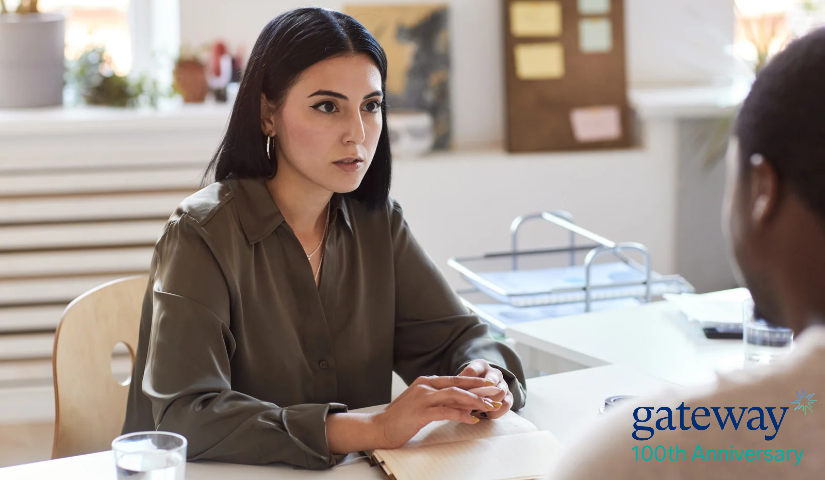
Our work begins with understanding. Whether it’s an interpreter facilitating a conversation, a teacher connecting with a nonverbal student, or an audiologist helping an adult navigate hearing loss — listening is at the heart of everything we do.
Listening is how belonging begins.
In any organization, listening requires more than open ears — it requires open systems. It means creating spaces where feedback is not only welcomed but acted upon. It means acknowledging that every voice in our community — staff, families, students, clients, and partners — carries insight that can help us grow stronger.
As leaders, we’re learning that listening doesn’t slow progress; it fuels it. When people feel heard, they show up differently. They innovate. They trust. They stay.
Belonging Means Building Systems That Reflect Our Values
As a COO, I think a lot about structure — the processes, workflows, and systems that make our mission possible. But a healthy system isn’t just efficient; it’s human.
We’ve spent much of 2025 building infrastructure that supports access, equity, and transparency. Whether it’s refining our interpreting intake process to make scheduling easier, expanding outreach for the Gateway School, or launching new staff development initiatives — the question guiding our work has been: Does this create belonging?
Because when systems reflect values, culture changes.
Belonging happens when people feel supported and seen. It’s when a therapist feels trusted to make creative choices in a session. When a Deaf client knows their interpreter has been trained not just in language, but in cultural understanding. When a parent of a Gateway School student can ask questions and feel genuinely partnered in their child’s success.
That’s what it means to operationalize inclusion — to design systems that don’t just accommodate people, but empower them.
Belonging Is a Daily Practice
It’s easy to talk about belonging as a lofty idea. It’s harder — and more meaningful — to make it part of daily life.
In 2026, Gateway will continue to invest in the small, consistent actions that build belonging over time: professional development that uplifts diverse voices; policies that make equity measurable; and communication that’s accessible to everyone.
Belonging isn’t a destination — it’s a discipline. It shows up in how we start meetings, how we make decisions, and how we show appreciation. It’s in the follow-up after a difficult conversation. It’s in celebrating milestones, big and small.
In a year of growth and change, what I’ve seen at Gateway is a community that doesn’t just say inclusion matters — we live it.
Belonging Beyond Our Walls
True belonging doesn’t stop at the organization’s edge — it ripples outward.
Our interpreting team’s advocacy for the upcoming Maryland licensing law is one example. By supporting high standards, transparency, and access for interpreters across the state, we’re not just shaping policy — we’re modeling what it looks like to create an inclusive profession.
The same goes for our audiology, speech, and occupational therapy services. When we make care accessible for low-income families, when we meet people where they are — we’re sending a message that every voice, every sound, every story matters.
And the Gateway School continues to remind us what belonging looks like in its purest form: children learning, connecting, and growing in environments built for their success. Classrooms where differences aren’t hidden — they’re honored.
The Road Ahead
As we move into 2026, Gateway’s next chapter is rooted in community. The soon-to-launch Gateway Giving Guild will give our supporters a closer look at how their contributions change lives every day. It’s a reflection of everything we believe in — transparency, connection, and shared purpose.
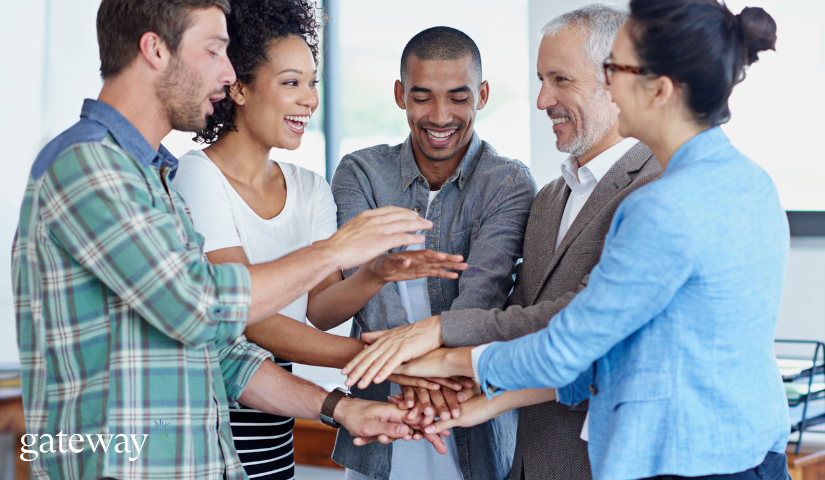
Belonging, after all, isn’t built by one person or one department. It’s built by all of us — together.
So, as we prepare for the new year, my hope is simple: that everyone connected to Gateway — our families, staff, partners, and donors — feels that same sense of belonging that we strive to create for others.
Because when people belong, they believe.
When they believe, they build. And what we’re building — together — is a Maryland where everyone can understand and be understood.
by Emilie Aguilar
Learn More About Gateway
Gateway gives hope, changes lives, and builds connections for Marylanders. Gateway connects people to their worlds and aids individuals in their ability to understand and to be understood. Gateway has grown into an organization that serves more than 8,000 children and adults every year, helping them communicate more effectively. With programming both on our Baltimore campus and through community-based programming, we provide education, access, and medical support to anyone who needs it.
We envision a society where everyone can understand and be understood and where everyone is treated with integrity, compassion, and equity.