

May is National Speech-Language-Hearing Month, and while it’s an official observance, it’s also a powerful reminder of something we see every day at Gateway: communication is not a “nice-to-have.” It’s how people participate in school, feel safe in healthcare, build relationships, and advocate for themselves. ASHA describes this month as a time to raise awareness about communication disorders and the life-changing role speech-language pathologists and audiologists play in treatment and support.
In other words, this month is not about celebrating a profession in the abstract. It’s about recognizing the real-world impact communication support has on individuals, families, and communities.
Communication needs are common, and early support matters
One reason this month matters is because many communication needs are often missed, minimized, or dismissed. Families are frequently told to “wait and see,” or adults assume that struggling to follow conversation is just part of stress, age, or a noisy world. But delays in support can become barriers that compound over time.
The NAPA Center notes that recognizing early signs of speech and language challenges can lead to better outcomes, emphasizing that earlier recognition allows families to offer support sooner. That aligns with what we know in practice: when children and adults receive the right support early, they gain confidence, skills, and independence sooner. And just as importantly, families gain clarity. They stop guessing and start moving forward with a plan.
Hearing health is part of whole-person health
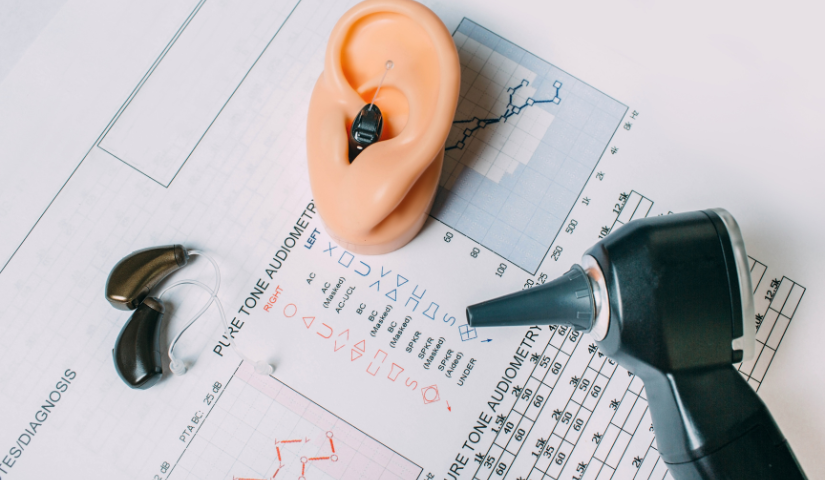
National Speech-Language-Hearing Month also creates a natural bridge to hearing health. Many people don’t realize that hearing loss often shows up first as reduced clarity, not “total hearing loss.” You may hear sound but struggle to understand speech, especially in background noise. That experience can lead to fatigue, withdrawal, and missed connection.
The American Academy of Audiology uses May to encourage the public to prioritize hearing health and promote hearing checks as a proactive step, not a last resort. This matters because hearing health supports more than hearing. It supports participation, relationships, and quality of life. When we normalize hearing checks, we reduce stigma and make it easier for people to seek help before they’ve spent years compensating in silence.
Why this month matters for leaders and communities
As COO, I also think about what this month teaches organizations, schools, and employers. Communication needs aren’t rare edge cases. They’re part of real life. And inclusive communities don’t wait for someone to “prove” they need support. They plan for access and build environments where people can communicate successfully.
National Speech-Language-Hearing Month is a good moment for leaders to ask:
Are our classrooms designed for different learners?
Do our meetings support different communication styles?
Are we treating hearing and speech support as essential health and education services, not optional add-ons?
When communication breaks down, the consequences are serious: misunderstandings, reduced independence, missed opportunities, and people feeling isolated in rooms they should belong in. When communication is supported, people participate, belong, and lead.
How Gateway fits into this month
At Gateway, our mission is to help Marylanders understand and be understood. We do that through programs that support communication across the lifespan, including special education, therapy services, audiology, interpreting, and community-based support.
This month is a chance to reaffirm what we believe: communication changes lives, and access to expert care should not be limited to those with the most resources. It should be built into how a community takes care of its people.
So if you take one thing from National Speech-Language-Hearing Month, let it be this: when we invest in communication, we invest in human connection. And that’s the foundation of every thriving school, workplace, family, and community.
Learn More About Gateway
Gateway gives hope, changes lives, and builds connections for Marylanders. Gateway connects people to their worlds and aids individuals in their ability to understand and to be understood. Gateway has grown into an organization that serves more than 8,000 children and adults every year, helping them communicate more effectively. With programming both on our Baltimore campus and through community-based programming, we provide education, access, and medical support to anyone who needs it.
We envision a society where everyone can understand and be understood and where everyone is treated with integrity, compassion, and equity.