

We’ve always believed that communication is the foundation of connection and that connection is where real change begins.
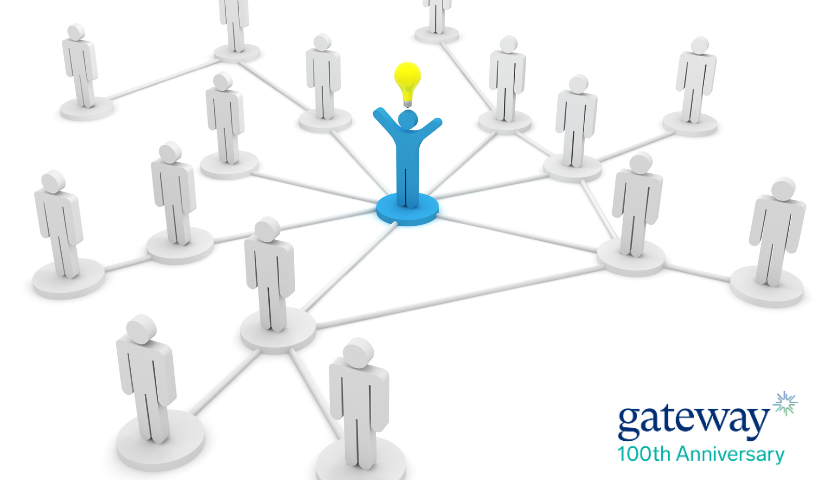
Over the last year, I’ve watched something powerful unfold. As we stepped into a new identity and continued evolving our work, we rediscovered what it means to act as a catalyst, not just a service provider. What made that transformation possible wasn’t just strong programming or internal growth, it was the community.
You Can’t Transform a Community Without the Community
In nonprofit work, there is often pressure to carry everything. We are expected to be the solution, the voice, the safety net. But real, lasting impact does not happen in isolation. It takes all of us, nonprofits, schools, local businesses, healthcare providers, educators, and community members. Each of us brings something unique. When we build together, we build stronger.
Engagement is Not the Same as Partnership
It’s important to understand the difference. Community engagement is about listening. Community partnership is about shared responsibility. It’s not just asking what people need, but inviting them to co-create the response.
We’ve collaborated with small businesses, educational institutions, and health organizations to increase access, build awareness, and solve problems together. These relationships are not transactional. They are rooted in trust, shared values, and the understanding that no single organization can solve big challenges alone.
Business Can Be a Force for Equity
One of the most promising and often overlooked partners in this work is the business community. When businesses choose to prioritize accessibility and communication equity, they do more than meet a standard. They model what inclusion looks like in real time.
I’ve seen this in action. A local café chose to hire Deaf staff and provided visual ordering systems. That one decision created jobs, increased visibility, and made the space more welcoming. A regional healthcare provider sponsored training for front-line staff in basic ASL and cultural competency, which changed the experience of care for hundreds of patients.
These shifts were not enormous in scale, but they were profound in impact. They started with one commitment and grew into something much bigger.
Catalysts Start Where They Are
We often talk about the ripple effect. One small change, one partnership, one conversation can open doors that no one even knew were there. A bake sale idea from a student solidified efforts to fund a new playground. A virtual ASL class introduced during a crisis sparked ongoing community learning. A phone call with a corporate partner led to a new internship program for students.
These things happened because someone said yes to connection. They weren’t waiting to solve everything. They started with what they had and invited others to do the same.
A Challenge to Leaders
To any leader reading this: whether you’re in a nonprofit, a business, or simply someone looking to make a difference, here’s my challenge:
- Reach out. Find those already doing the work and offer your time, talent, or platform.
- Use what you have. Office space, staff time, visibility. Share it intentionally.
- Be open to transformation. Listen fully and allow what you hear to change your approach.
- Don’t underestimate your ability to start something meaningful.
Being a catalyst doesn’t require a title. It requires a willingness to act with others.
The Future We Build Together
The work of building equity in communication is not limited to one organization. It shows up everywhere—classrooms, clinics, workplaces, community centers. It lives wherever people are trying to understand each other more fully. Wherever someone says yes to connection, to learning, and to shared responsibility, change becomes possible.
Partnership is not just part of the work, it is the work. And when we lead with open hands, clear purpose, and a shared vision, we move beyond service. We build something lasting.
Learn More About Gateway
Gateway gives hope, changes lives, and builds connections for Marylanders. Gateway connects people to their worlds and aids individuals in their ability to understand and to be understood. Gateway has grown into an organization that serves more than 8,000 children and adults every year, helping them communicate more effectively. With programming both on our Baltimore campus and through community-based programming, we provide education, access, and medical support to anyone who needs it.
We envision a society where everyone can understand and be understood and where everyone is treated with integrity, compassion, and equity.